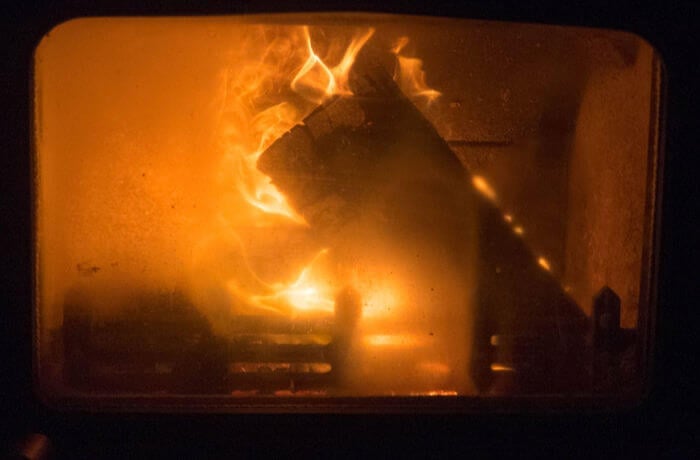
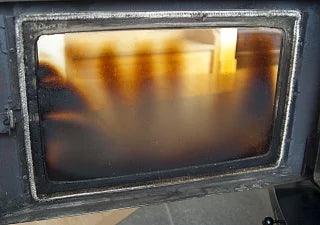
If your wood-burning stove glass keeps turning black, it isn’t a fault — it’s a sign that something in the way the stove is being used, fueled, or vented isn’t quite right. Blackened glass is caused by soot and tar deposits from incomplete combustion, and while it’s common, it’s also largely preventable. Understanding why it happens not only keeps your stove looking better, but also helps it burn more efficiently, more cleanly, and more safely.
1. Wet or poor-quality wood
- Wood above ~20% moisture creates lots of smoke and tar. (Check it with a moisture meter.)
- That smoke condenses on the coolest surface first. The glass.
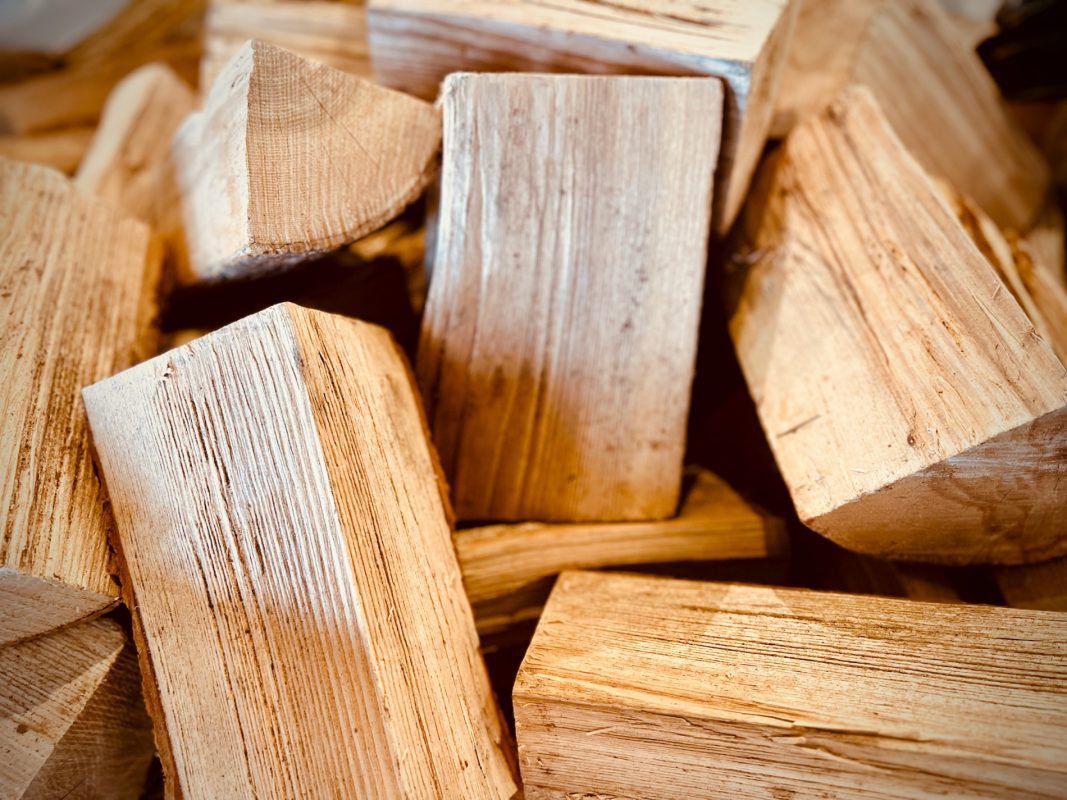
- Kiln-dried or well-seasoned hardwood burns cleaner and hotter.
2. Air vents turned down too low
- Starving the fire of oxygen causes incomplete combustion.
- This produces soot and creosote, which stick to the glass.
- Running the stove “slumbering” for long periods almost guarantees black glass.
3. Fire not hot enough
- Small, smoky fires don’t burn off deposits.
- A good hot burn (especially after lighting) helps keep glass clear.
4. Airwash not working properly
- Most stoves rely on an airwash system that pulls clean air down over the glass.
- If vents are closed, ash blocks the air channels, or door seals are failing, the airwash can’t do its job.
5. Wrong fuel
- Treated wood, painted timber, MDF, household coal, or rubbish will blacken glass quickly and can damage the stove.
- Only burn approved fuels for your stove type.
6. Poor chimney draught
- Cold flue, partial blockage, or overdue sweeping reduces draw.
- Smoke then lingers and coats the glass instead of exiting cleanly.
Quick ways to improve it
- Use dry fuel only (ideally kiln-dried).
- Open the air controls fully for 10–15 minutes after lighting and after refuelling.
- Avoid long low temperature burns where possible.
- Make sure the chimney is swept regularly.
- Check door rope seals and air inlets.
Cleaning tip (safe and effective)
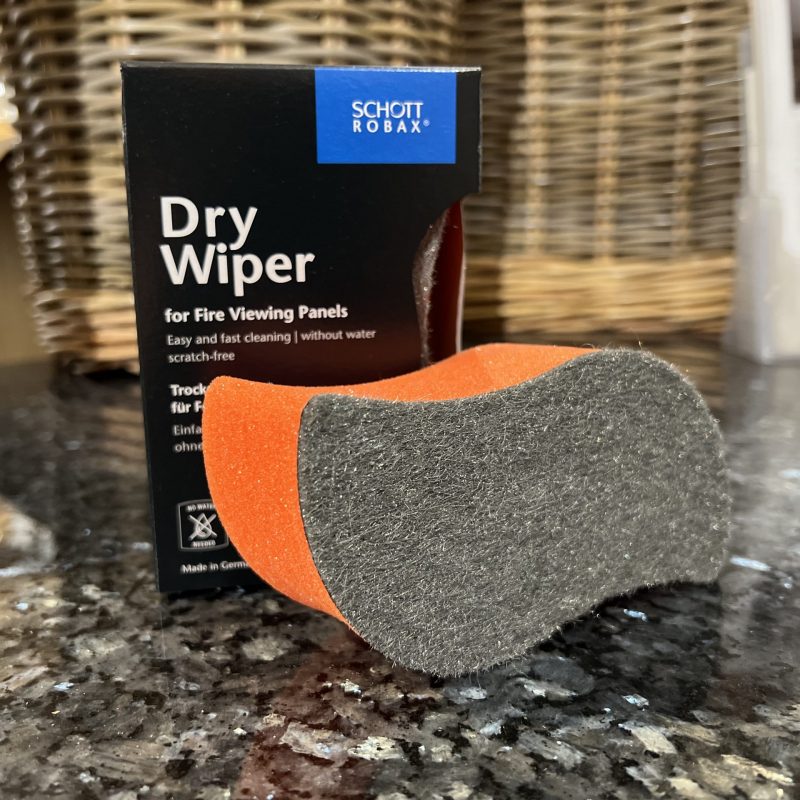
- Use a specialised dry wiper like Schott Robax Dry Wiper
- Dip a damp cloth or kitchen roll into cold ash, rub gently, then wipe clean.
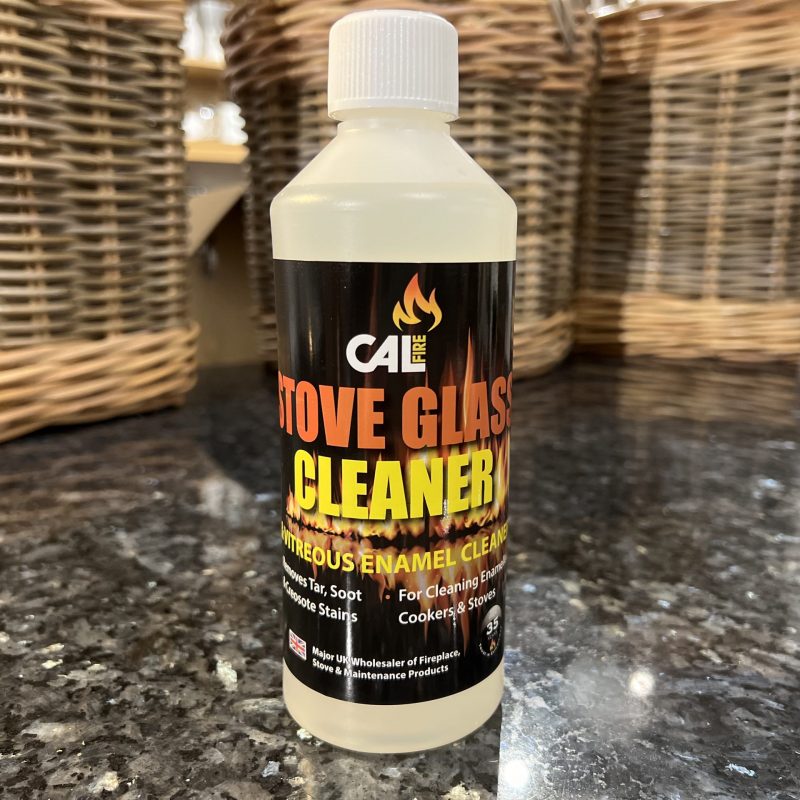
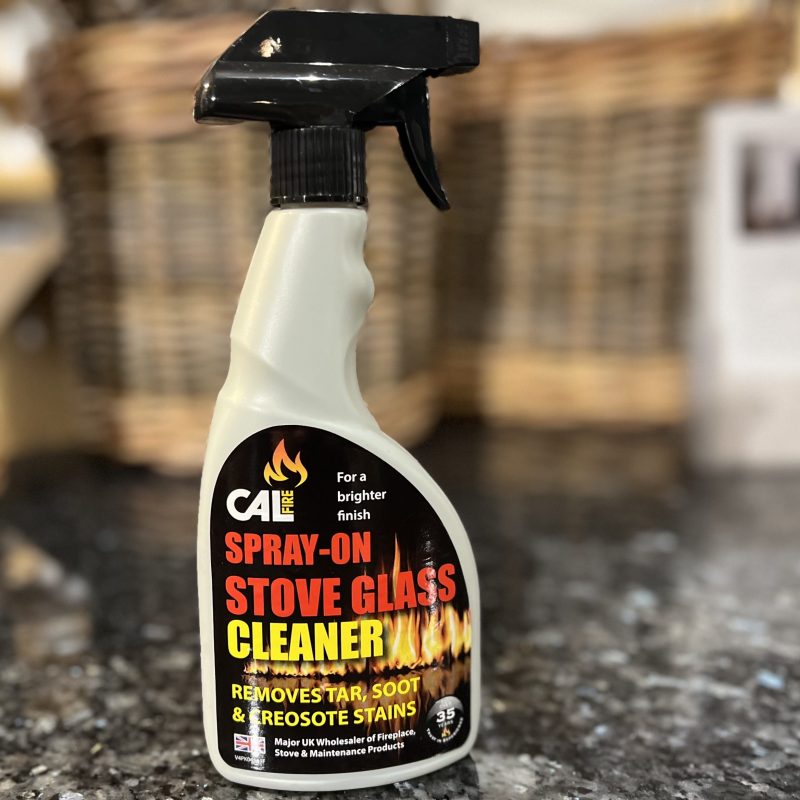
- Avoid abrasive pads or sprays that can scratch stove glass.